
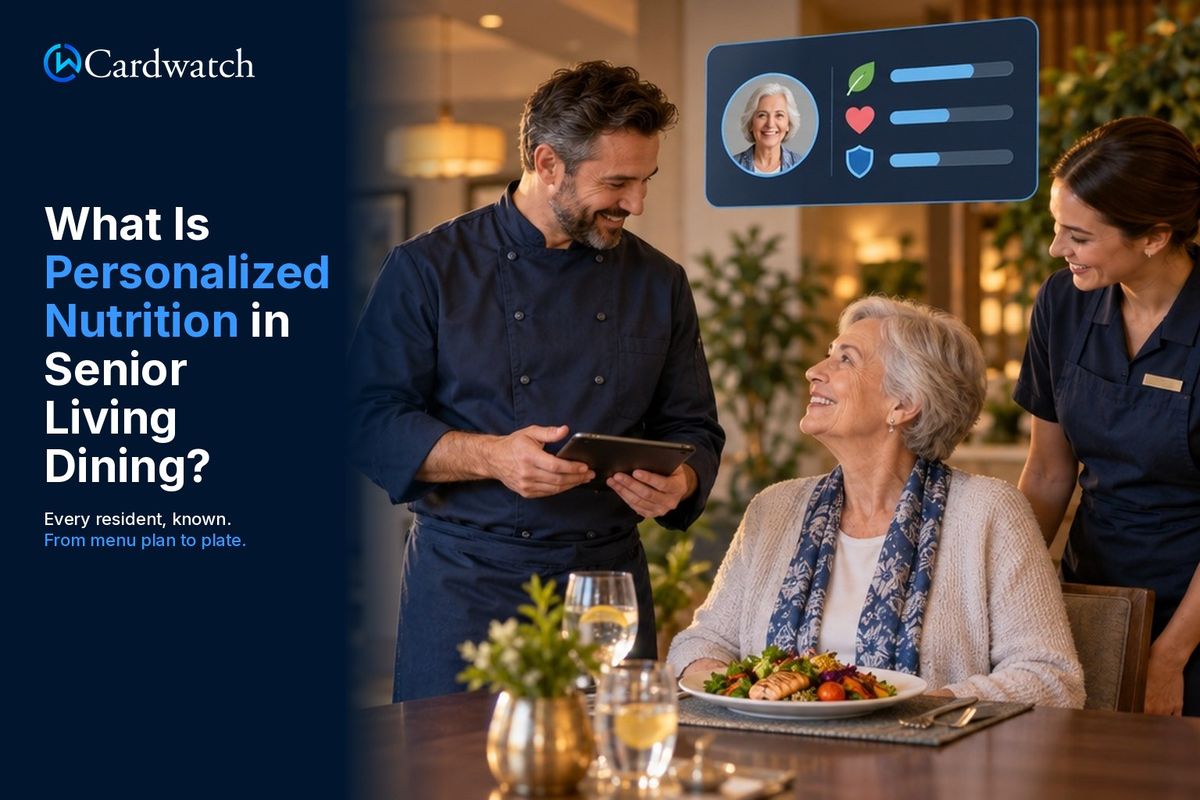
Every resident comes to the table with a story. One loves a spicy curry but needs to watch sodium. Another has a nut allergy, a third is on a texture-modified diet, and a fourth simply can't stand cilantro. Personalized nutrition in senior living is about honouring all of that, every meal, without turning the kitchen into a maze of sticky notes and binders.
It's a big job, and dining teams already do a lot of it from memory and good instinct. In this post we'll look at what personalized nutrition really means in a community dining program, where it tends to break down, and how connected tools can help the right information reach the right person at the right moment.
What Personalized Nutrition in Senior Living Really Means
Personalized nutrition isn't a special menu for every resident. It's a dining program that knows enough about each person to make good choices easy and risky ones hard.
In practice, that usually comes down to three kinds of information:
- Needs: allergens, dietary restrictions, and texture or consistency guidance set by qualified professionals.
- Health context: nutrition goals and food-health details the care and nutrition team want the kitchen to keep in mind.
- Preferences: the likes, dislikes and small rituals that make a meal feel like home.
The first two keep residents safe. The third is what keeps them coming back to the dining room. A good program pays attention to all three, and it doesn't make residents repeat themselves at every meal.
Why Resident Dietary Needs Get Lost Between Planning and the Plate
Most communities don't struggle because they don't care. They struggle because the information lives in too many places.
A dietitian's notes might sit in one system, the menu cycle in a spreadsheet, the production sheet on a clipboard, and the resident's allergy flag on a card at the host stand. Each handoff is a chance for something to slip, especially on a busy night or when a new server is on the floor.
We've written before about why real-time dietary information is so important in senior living. The short version: a dietary note only helps if it shows up where decisions are being made, from the menu meeting all the way to the table.
How Resident Food-Health Profiles Support Personalized Nutrition
This is where a connected approach helps. In culinaryai, our culinary intelligence application, resident food-health profiles and personalized meal support can bring nutrition, allergens and dietary needs into planning, where those features are configured.
That matters because the profile isn't a separate file someone has to go look up. It becomes part of the planning work itself.
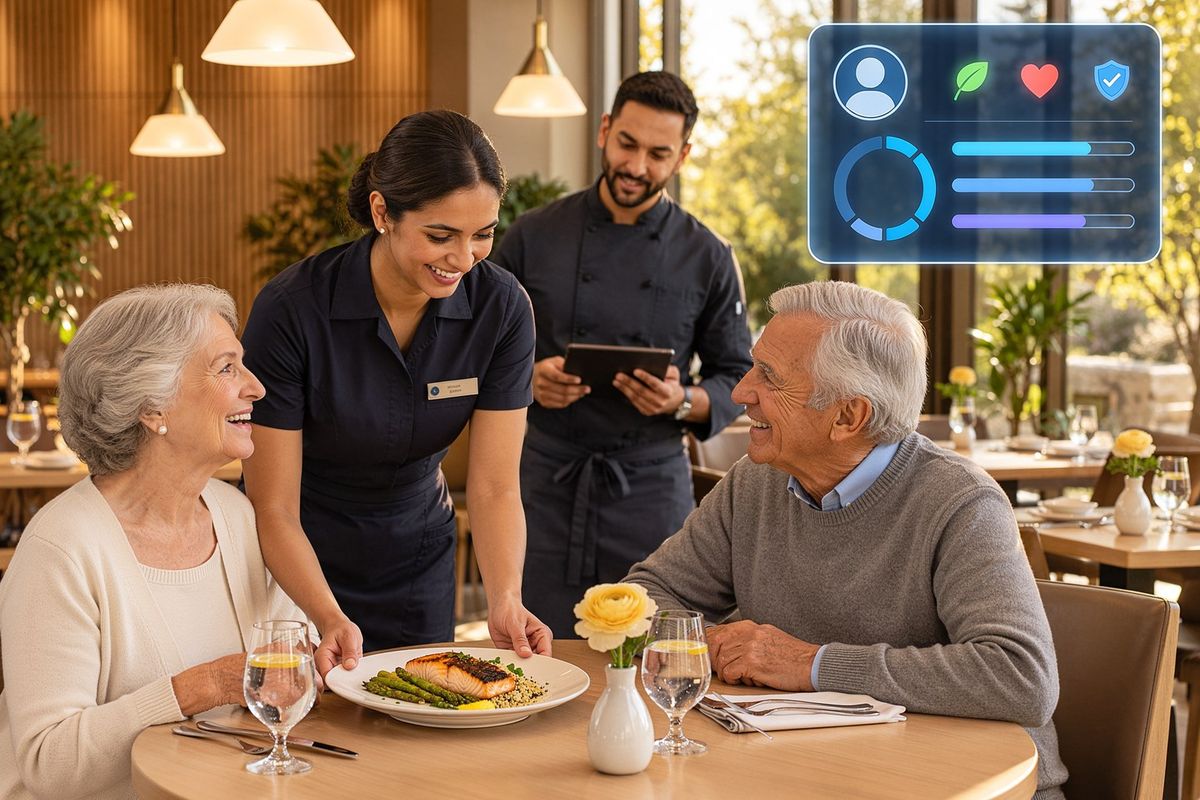
Planning menus with nutrition and allergens in view
culinaryai helps teams develop recipes and menu cycles with ingredient intelligence, nutrition analysis, and dietary and allergen information. When a chef builds or adjusts a recipe, the ingredient and allergen picture comes along with it.
Where enabled, culinaryai AI agents can offer guidance for creating and refining menus and recipes. They can help teams ask questions, analyze options and plan. But culinary professionals decide what to serve, and clinical nutrition and medical decisions stay with qualified healthcare and nutrition professionals. The technology supports the team's judgment; it doesn't replace it.
Turning menus into production with residents in mind
A personalized plan only works if the kitchen can produce it. culinaryai turns menus into production plans, sheets and daily prep guidance, with census or demand context where configured. That gives the team a clearer picture of what to prepare, instead of cross-referencing notes by hand before every service.
If you'd like a deeper look at this step, we covered it in how AI can improve senior living food production planning.
Bringing Dietary Information to the Point of Service
Planning is only half the story. The other half happens when a resident orders.
Across the Cardwatch platform, dietary information can show up where residents and staff actually make choices:
- At the self-order kiosk, skipit shows modifiers, preparation options, dietary tags and ingredients on screen before anyone adds an item to the cart.
- In the dining room, hostit gives servers configured ingredient visibility alongside table-based ordering, so questions can be answered at the table.
- Behind every order, one resident account connects café, dining room, mobile ordering and check-in, so the person behind the order stays the same wherever they eat.
When a resident's needs and preferences are part of the same connected picture as their account and their orders, staff spend less time chasing information and more time with the people they're serving.
Keeping the Human Touch in Personalized Dining
None of this works without people. The server who remembers that a resident likes her tea before the meal, not after. The chef who notices someone hasn't been finishing lunch and mentions it to the nursing team. The dietitian who adjusts a plan after a hospital stay.
Good tools give those people better information and fewer manual steps. They shouldn't put a screen between staff and residents. Our view is simple: technology should handle the cross-referencing so your team can handle the hospitality.
Getting Started With Personalized Nutrition
You don't need to change everything at once. A few practical first steps:
- Map where dietary information lives today, and count how many times it's copied by hand.
- Agree on who owns each kind of information, from clinical guidance to personal preferences.
- Pick one workflow to connect first, such as recipes and allergens, or menus and production sheets.
- Ask how integrations would work. If you use systems like PointClickCare, confirm what data can move, how often, and which system stays the source of record. Availability and scope vary by deployment.
Frequently Asked Questions
What is personalized nutrition in senior living?
It's a dining approach that accounts for each resident's dietary needs, health context and food preferences when menus are planned, meals are produced and orders are taken. The goal is safe, enjoyable meals that feel personal, without extra manual work for staff.
What is a resident food-health profile?
It's a record of the nutrition, allergen and dietary details relevant to a resident's meals. In culinaryai, where configured, these profiles and personalized meal support bring that information into menu and production planning.
Can AI decide what a resident should eat?
No. AI agents can help dining teams analyze options and plan more efficiently, but culinary professionals decide what to serve, and clinical nutrition decisions stay with qualified healthcare and nutrition professionals.
Every meal is a chance to show residents they're known. If you'd like to see how a connected dining platform can support that, visit Cardwatch and let's talk.